Classroom Innovation
Effective Strategies for Hybrid Teaching in 2025: Blending Online and In-Person Learning
AUTHOR: Bewise-Admin


Hybrid Teaching Strategies That Work
Hybrid instruction, also known as blended learning, is no longer a buzzword; it's now an integral component of education globally. Whether teaching in an urban city school, a rural school, or a university, educators need effective hybrid teaching strategies to create engaging, inclusive hybrid classrooms.
Sounds like a walk on a tightrope? That's what it is.
However, with the right strategy, hybrid teaching methods can really improve learning performance, boost student participation, and provide a more individualized education experience. The secret is understanding how to strike the perfect balance of both worlds - good old-fashioned face-to-face teaching and digital, technology-enhanced instruction.
So, how do you blend these two formats effectively?
Why Hybrid Learning Is Not Just a Trend
The shift to blended learning techniques was fast-tracked by the pandemic, but it's fit to stay for more reasons than one. Parents want flexibility. Students thrive with self-paced tools. Institutions want future-proof learning. The benefit of hybrid learning is that it addresses all of that.
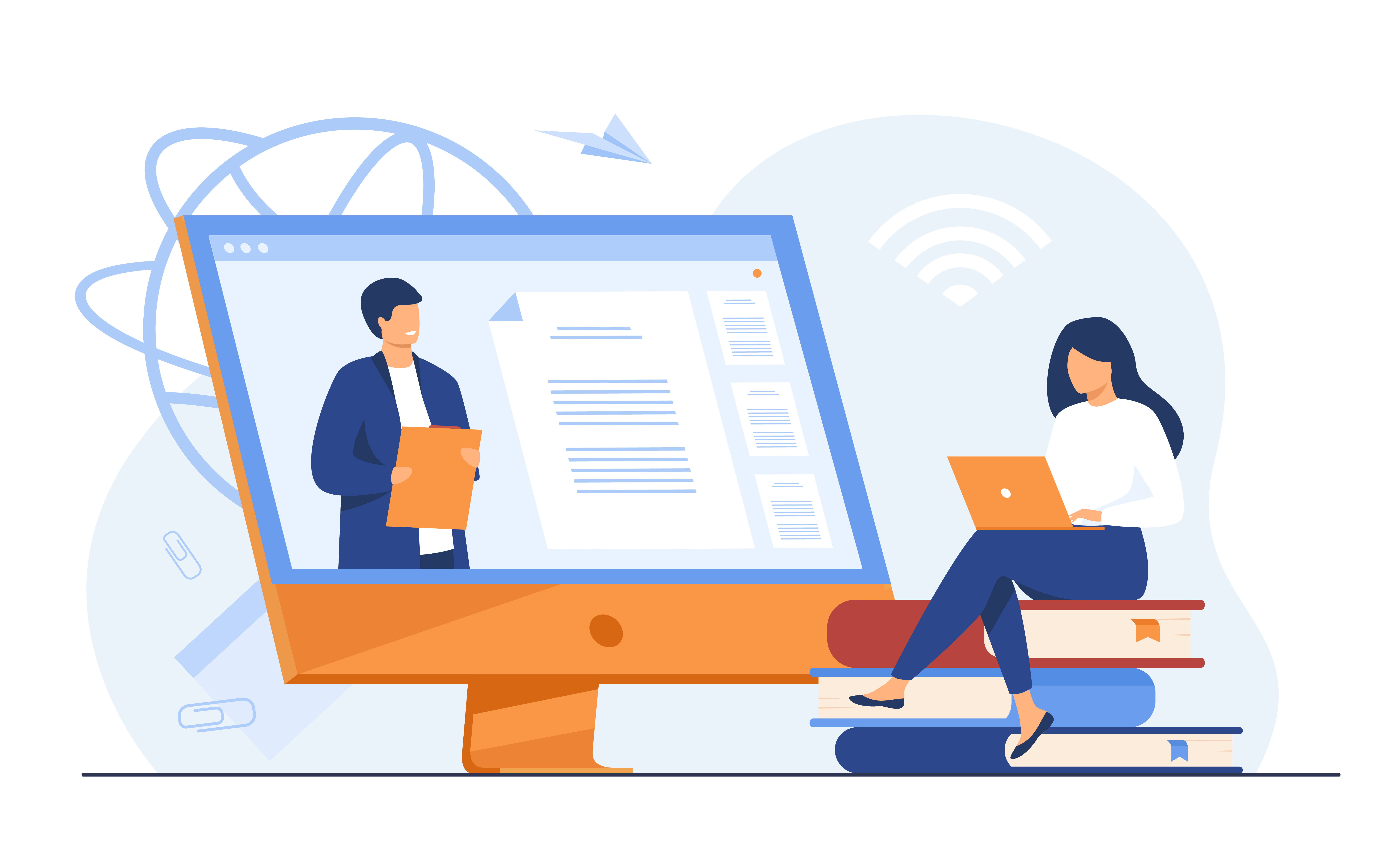
It allows educators to:
- Reach students with diverse needs and learning styles
- Minimize learning loss during disruptions
- Make classroom time more interactive and productive
- Build digital fluency across subjects
Most importantly, it prepares both students and teachers for a world where learning is no longer confined to four walls.
Start with Clear Learning Objectives
Every effective hybrid lesson begins with one thing: clear learning objectives. What do you want students to take from class today? What skills should they demonstrate at the end of the week? Your objectives must be clear, measurable, and attainable in class or online.
When planning hybrid teaching lessons, align both online and in-person activities with the same hybrid learning objectives to ensure consistency."
Use the Flipped Classroom Thoughtfully
One of the strongest teaching approaches is flipped classroom in hybrid learning - getting students to work through new material at home and devoting class time to more in-depth investigation.
In this approach:
- Students view video lectures or read content in advance of class
- Teachers utilize class time for discussions, doubt removal, or group projects
This format helps optimize face-to-face time while challenging students to own their learning. It works exceptionally well with limited online access because students can work at their own pace and on their own timelines.
Balance Live and Self-Paced Learning
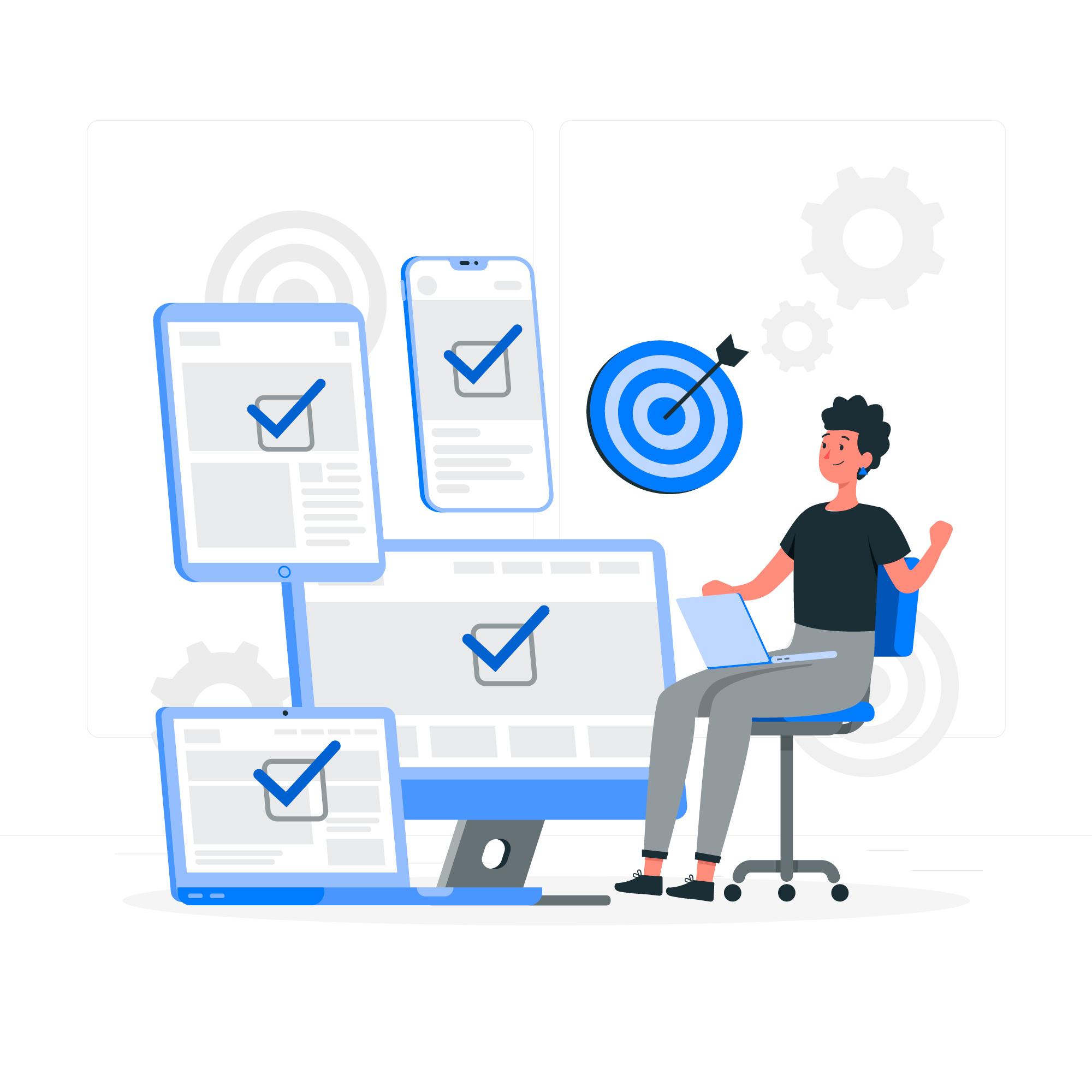
Not every student can join a live session, and that's the beauty of hybrid teaching models, which lies in flexibility, but flexibility needs planning. A strong hybrid class blends synchronous (live) with asynchronous (self-paced) learning.
Here's how you can maintain that balance:
- Record live sessions and share them with all students
- Use platforms like Google Classroom or Teams for organized access
- Share weekly schedules to help students plan ahead
When students know what to expect, they feel more in control of their learning experiences and are more likely to engage meaningfully.
Choose Technology That Supports, Not Overwhelms
Flashy edtech tools are everywhere. But more tools do not mean better learning.
Focus on selecting digital platforms for hybrid teaching that actually make your job easier and your students' experience smoother.
Useful tools include:
- Google Classroom or Microsoft Teams for content sharing and communication
- Canva for creating engaging visuals and student projects
- Padlet or Jamboard for collaborative brainstorming
- Kahoot or Quizizz for light quizzes and formative assessments
Stick to 3 or 4 platforms that everyone gets comfortable with. Simplicity builds consistency.
Keep Everyone Connected Online or Offline
One of the most challenging obstacles of hybrid instruction is creating a sense of coherence in the class. Many times, students online get lost, and in-class students take over discussions.
So, how do you build classroom community across both spaces?
- Pair online and in-person students for projects or presentations
- Use collaborative documents so all students contribute to real time
- Encourage joint reflections through discussion boards or exit slips
Students should feel included in the learning experience, irrespective of the location they are joining in from.
Make Assessments Flexible and Meaningful
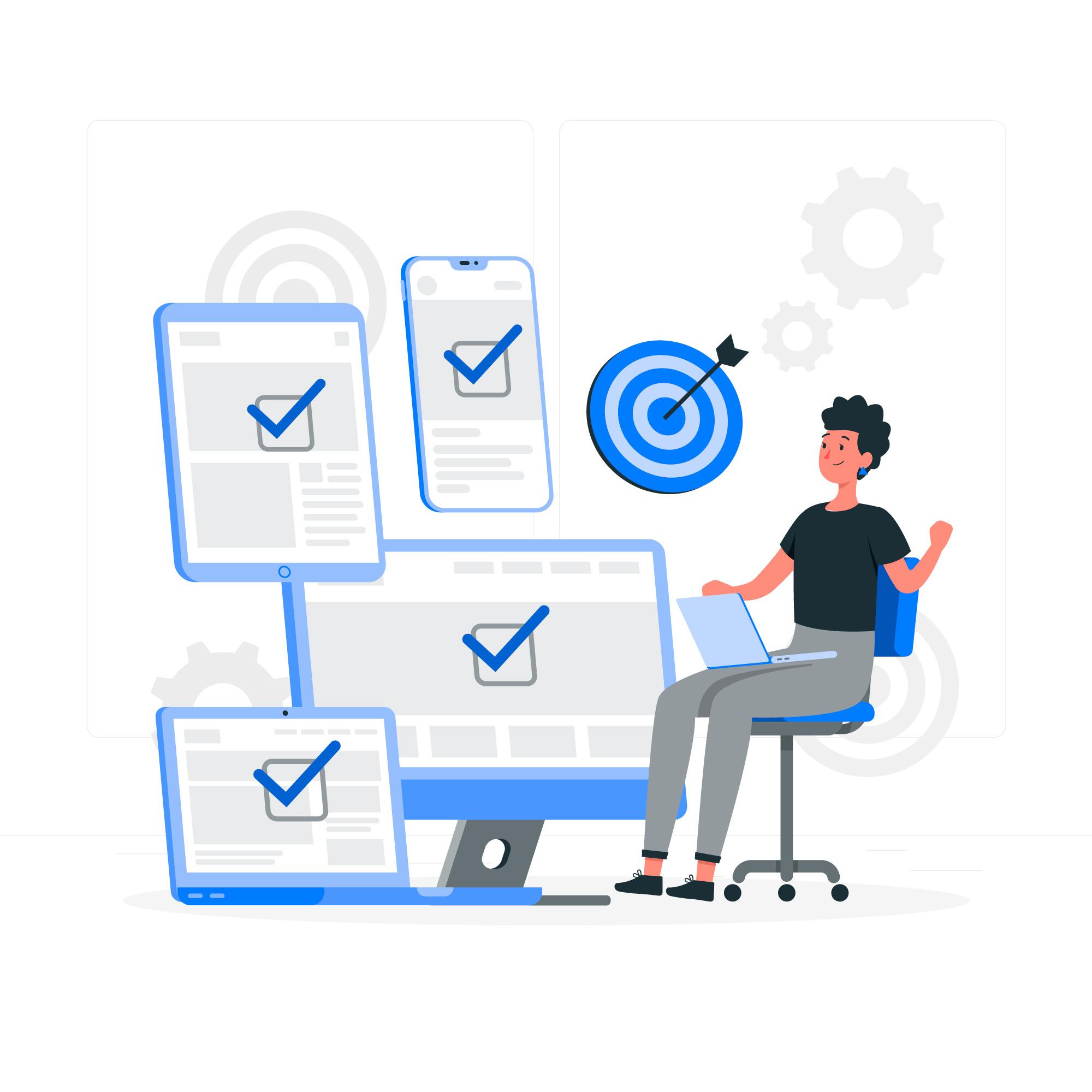
In a hybrid environment, assessments also need to move beyond the traditional structure of tests. Effective evaluation in hybrid classrooms should not just be on what students remember but how they apply what they've read.
Rethink assessments with:
- Digital portfolios that track growth over time
- Group tasks with both online and offline components
- Self-assessments and peer reviews
- Short online quizzes with immediate feedback
These methods encourage critical thinking and creativity, giving you better insight into real learning.
Personalize the Learning Journey
One of the most useful advantages of hybrid instruction is the opportunity to personalize it. If students get to learn at their own speed, they are more apt to participate and retain.
Here's how to make it work:
- Break lessons into bite-sized modules
- Offer choice boards so students can pick tasks based on interest
- Share supplementary resources for deeper exploration
Imagine your classroom as a learning ecosystem where students are free to explore, reflect, and develop.
Remain Connected with Parents and Caregivers
Parents are especially important at the school level. They ensure their child logs in, remains on task and gets assignments turned in.
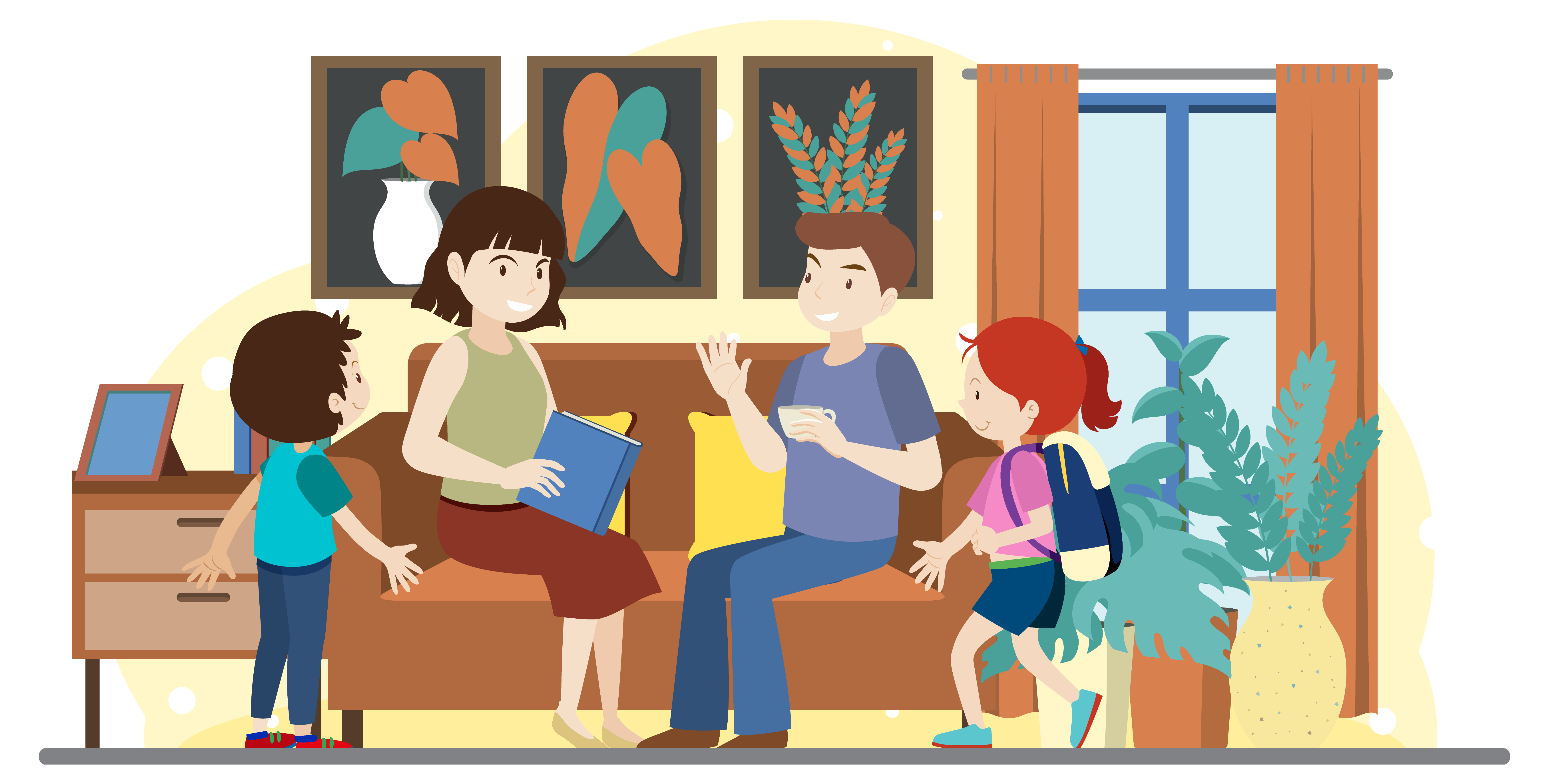
Maintain strong parent engagement in hybrid learning by:
- Sending weekly progress summaries
- Hosting short monthly Q&A sessions for parents
- Sharing tech guides or platform demos
When parents feel informed, they become partners, not just spectators, in the learning process.
Adapt, Reflect, Improve
No hybrid classroom will be perfect from day one. The best educators are the ones who experiment, listen to feedback, and improve constantly. Create space in your routine for continuous improvement in hybrid teaching models.
Ask:
- What worked this week?
- Where did students struggle?
- What can I tweak to improve flow or engagement?
Hybrid teaching is not static; it evolves with every lesson you deliver.
Teaching in Two Worlds, Impacting One Future
Hybrid teaching isn't about doing more. It involves doing things differently and more consciously. It's not replacing physical classrooms. It's opening up the walls of education, giving all students an equal platform on which to thrive, no matter where they are.
With the proper tools, well-defined objectives, and adaptive attitude, you can create an interactive, inclusive hybrid classroom that is ready for the future. Let's stop asking if hybrid teaching is sustainable.
It is already. The question is: Are we ready to spearhead the change?